




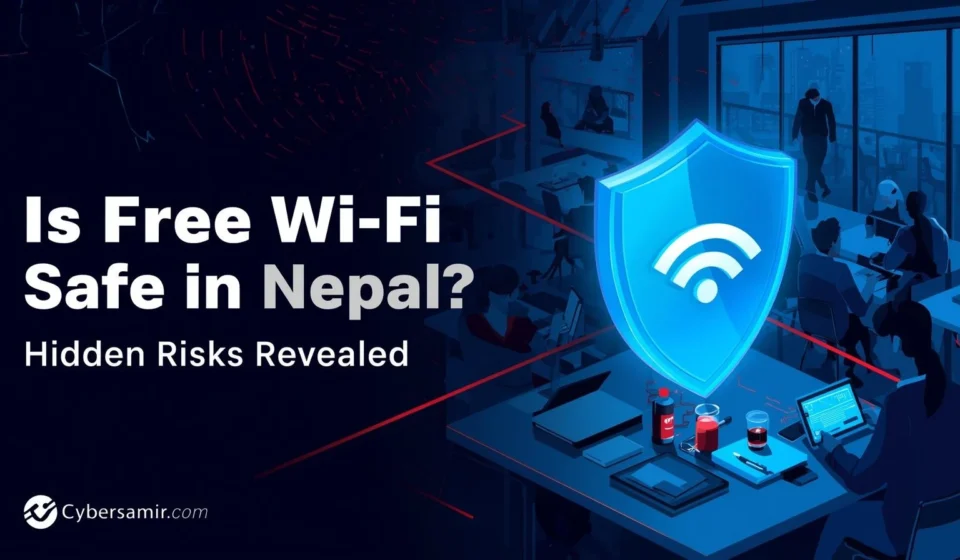

Is Free WiFi Safe in Nepal? Hidden Risks Revealed
Free WiFi has become a daily convenience across Nepal. From bustling cafes in Thamel and New Road in Kathmandu to restaurants in Pokhara, airports, malls, and even some public parks, open hotspots promise instant connectivity without data costs. Students, professionals, tourists, and remote workers rely on them heavily.
Yet this convenience comes with significant security trade-offs. cybercrime cases in Nepal have risen dramatically, reaching nearly 19,730 reported incidents in one recent fiscal year alone. While many attacks occur through social media and financial apps, public WiFi networks serve as an attractive entry point for cybercriminals seeking to intercept sensitive information.
As a cybersecurity researcher focused on threats in South Asia, I have analyzed the technical vulnerabilities of public networks and their impact on users in Nepal. This article separates the myths from the realities, explains the specific risks in the Nepali context, and provides clear, actionable steps to protect yourself.
Understanding Public WiFi and Why It Is Often Insecure
Public WiFi networks differ fundamentally from your home or office connection. Most free hotspots use minimal or no encryption, allowing anyone on the same network to potentially view unencrypted traffic.
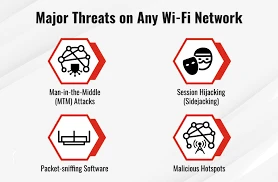
When you connect to an open network, your device communicates with the router. On unsecured networks, this communication can be intercepted. Hackers exploit this openness through techniques such as man-in-the-middle (MitM) attacks, where they position themselves between your device and the internet, silently capturing data.
In Nepal, where many cafes and small businesses set up simple routers without advanced security configurations, these risks are amplified. Limited awareness among both providers and users compounds the problem.
Hidden Risks of Free WiFi in Nepal
Several specific threats make free WiFi particularly dangerous in the Nepali context:
- Man-in-the-Middle Attacks Attackers create fake hotspots with names similar to legitimate ones (e.g., “CafeFreeWiFi” instead of the official network). Once connected, all your traffic passes through their device, enabling them to steal login credentials, session cookies, or financial details.
- Data Interception and Eavesdropping On unencrypted networks, passwords, emails, and browsing history can be captured. Even HTTPS websites offer protection for the content, but metadata and unencrypted connections remain vulnerable.
- Malware Injection Sophisticated attackers can inject malicious code into web pages or force downloads of malware when you visit compromised sites. This malware can steal banking information or turn your device into part of a botnet.
- Session Hijacking Hackers can steal active login sessions, gaining unauthorized access to your social media, email, or banking accounts without needing the password.
- Evil Twin Attacks Common in crowded public places in Nepal, where multiple similar-sounding networks appear. Users often connect to the rogue network without noticing.
Real-world reports from Nepal highlight these issues. Discussions in local tech communities frequently mention cases where freelancers or students lost access to accounts or had financial data compromised after using cafe or mall WiFi. While exact statistics linking every case directly to public WiFi are limited, the overall surge in phishing, account hacking, and financial fraud aligns with increased public network usage.
Nepal Police Cyber Bureau data shows thousands of complaints related to online fraud and data theft annually. Public WiFi serves as a low-effort vector that amplifies these threats, especially when combined with common local scams involving eSewa, Khalti, or bank accounts.
Myths vs Reality: Free WiFi Safety
Myth: A password-protected public WiFi is completely safe. Reality: A simple password only controls who joins the network. It does not encrypt your individual traffic or prevent attacks from other connected users.
Myth: Free WiFi in reputable places like hotels or airports is always secure. Reality: Even well-known locations can have misconfigured networks or be targeted by attackers setting up evil twin hotspots nearby.
Myth: My smartphone is safe because it uses mobile data fallback. Reality: Many devices stay connected to WiFi even when signal is weak, and apps may transmit data without your knowledge.
Real-World Examples in Nepal
In urban centers like Kathmandu and Pokhara, public WiFi is widespread in tourist areas, educational institutions, and commercial spaces. Reports from local users describe instances of sudden account lockouts or unauthorized transactions after using these networks.
One common scenario involves attackers monitoring traffic on busy cafe networks to capture login details for popular Nepali digital wallets. Another involves fake software update prompts that install spyware when users are on public hotspots.
While direct large-scale breaches tied exclusively to free WiFi are not always publicly detailed, the broader cybercrime trend with cases rising sharply year after year indicates that unsecured networks contribute to the problem. Tourists and locals alike remain vulnerable in high-traffic public spaces.

Step-by-Step Guide: How to Use Public WiFi Safely in Nepal
Follow these practical measures to minimize risks:
- Verify the Network Name Always confirm the exact WiFi name and password with staff. Avoid connecting to suspiciously open or similarly named networks.
- Use a Reliable VPN A Virtual Private Network encrypts all your traffic, making it unreadable even if intercepted. This is the single most effective protection on public WiFi.
- Enable HTTPS Everywhere Ensure websites use HTTPS (look for the padlock icon). Consider browser extensions that force secure connections.
- Disable Automatic WiFi Connection Prevent your device from automatically joining known or open networks.
- Turn Off File Sharing and AirDrop Disable sharing features that could expose your device to others on the same network.
- Avoid Sensitive Activities Refrain from online banking, shopping, or accessing important accounts while on public WiFi. Use mobile data for such tasks when possible.
- Keep Software Updated Regular updates patch known vulnerabilities that attackers exploit on public networks.
Pro Tip 1: Choose a reputable VPN with a kill switch feature. In Nepal, services that offer strong encryption and no-logs policies provide better protection. Test the VPN on mobile data first before relying on it publicly.
Pro Tip 2: Use two-factor authentication (2FA) on all critical accounts. Even if credentials are stolen, the second factor adds a crucial barrier. Prefer app-based or hardware 2FA over SMS when available.
Pro Tip 3: Consider a dedicated “public WiFi” profile on your device with stricter security settings and limited apps installed.
Recommended Tools and Best Practices for Nepali Users
- VPN Recommendations: Look for providers with servers optimized for South Asia, strong encryption (AES-256), and reliable performance on Nepali networks.
- Security Apps: Install reputable antivirus with real-time scanning and anti-phishing features.
- Browser Settings: Use privacy-focused browsers or extensions that block trackers and malicious scripts.
- Reporting: If you suspect compromise after using public WiFi, report promptly to the Nepal Police Cyber Bureau.
For those interested in deeper cybersecurity knowledge, combining these habits with ethical hacking awareness helps build long-term resilience.
When Is Free WiFi Acceptable?
Free WiFi can be used safely for low-risk activities such as reading news or browsing public websites, provided you follow the protections outlined above. For anything involving personal or financial data, switch to mobile data or a secured connection.
External Authority Link:
- Nepal Police Cyber Bureau Official Resources for reporting incidents and latest advisories.
FAQ Section