



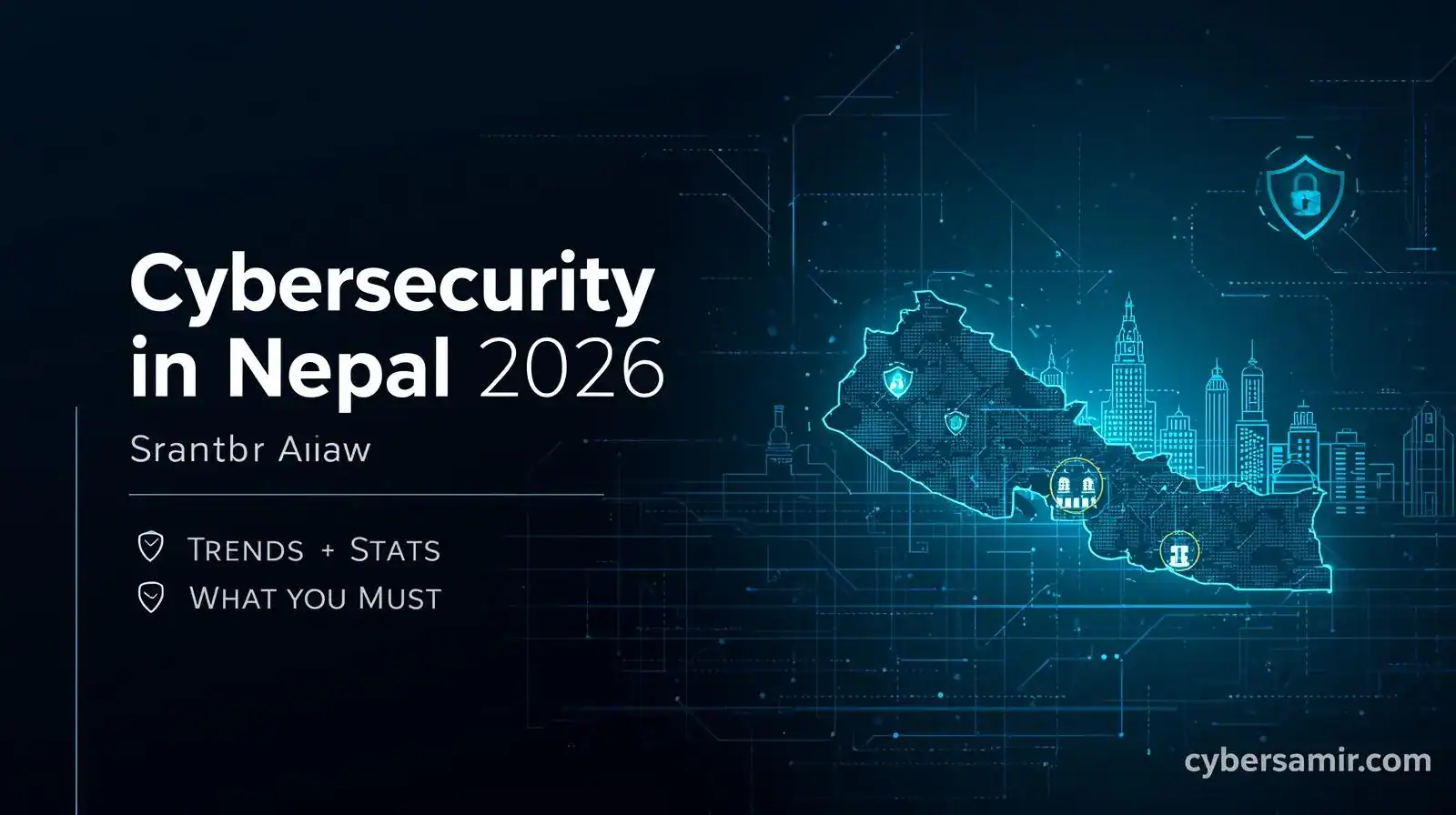

As we step further into 2026, the digital landscape of Nepal has transformed beyond recognition. From the bustling streets of New Road to the remote corners of Karnali, the “Digital Nepal Framework” has achieved significant milestones. However, this rapid digitization has come with a shadow. Cybersecurity in Nepal 2026 is no longer just a technical checkbox; it is now a matter of national economic resilience. With mobile banking penetration crossing 80% and government services like Nagarik App becoming central to daily life, the “attack surface” for cybercriminals has never been wider.
Thank you for reading this post, don't forget to subscribe!I. Introduction: Why 2026 Matters for Nepal
In 2026, Nepal has successfully transitioned into a data-driven economy. The rise of e-commerce platforms, the mass adoption of QR-based payments, and the integration of AI in local fintech have created immense value. Yet, the sophistication of threats has evolved concurrently. Cybersecurity in Nepal 2026 is the top priority for the private sector and government alike because a single breach in the central switching system or a major ISP could paralyze the nation’s connectivity and trust.
II. Latest Cybersecurity Trends in Nepal (2026)
The Nepal cyber trends we are witnessing today are driven by global adversarial tactics adapted for the local market.
1. AI-Powered Phishing and Deepfakes
Gone are the days of poorly written “Nigerian Prince” emails. In 2026, Nepali users are targeted by AI-generated phishing attacks written in perfect, contextual Nepali. Furthermore, voice deepfakes of bank managers or CEOs are being used to authorize fraudulent fund transfers—a trend that has spiked by 300% since 2024.
2. Ransomware 3.0: Targeting Critical Infrastructure
Ransomware has moved beyond locking individual PCs. We are seeing “Extortion-as-a-Service” targeting Nepali hospitals and hydropower control systems. Hackers now threaten to leak sensitive patient data or disrupt power grids unless paid in untraceable cryptocurrencies.
3. Shadow API and Fintech Vulnerabilities
As Nepali fintechs rush to release new features, many leave “Shadow APIs” (undocumented interfaces) exposed. These act as open doors for data scrapers and unauthorized access to digital wallets.
III. Nepal Cyber Attacks Stats: 2026 Projections
Based on the latest data from the Nepal Police Cyber Bureau and CERT-Nepal, the volume of reported incidents has shown a sharp upward trajectory.
| Metric | 2023/24 (Actual) | 2025/26 (Projected) | Growth / Change |
|---|---|---|---|
| Total Reported Cybercrime Cases | 19,730 | 21,582+ | +33.7% YoY |
| Financial Fraud (Online Scams) | 7,723 | 14,500+ | Explosive Growth |
| Most Used Medium | Facebook/TikTok | Telegram/WhatsApp | Shift to Encrypted Apps |
| Average Daily Cases | 52 | 85+ | Higher Reporting Rate |
IV. Government & Private Sector Response
The Nepal cyber attacks stats have forced a significant shift in policy. The Information Technology and Cyber Security Act 2082 (2025/26) has finally established a more rigid framework for data protection.
- NTA (Nepal Telecommunications Authority): Now mandates quarterly security audits for all ISPs and Telecoms.
- CERT-Nepal: Has expanded its reach to provide 24/7 incident response support for government departments.
- Private Sector: Leading banks have adopted Zero Trust Architecture, moving away from simple password-based security to multi-factor biometrics.
V. What Nepali Businesses Must Prepare for in 2026
If you are running a business in Nepal, “hope” is not a security strategy. Follow this 2026 preparedness checklist:
- Adopt Cloud-Native Security: Most Nepali businesses are moving to AWS or Azure; ensure your “Shared Responsibility” model is understood.
- Continuous Exposure Management: Move from yearly audits to monthly vulnerability scanning.
- Employee Simulation Training: Run monthly phishing simulations. Human error is the cause of 90% of breaches in Nepal.
- Legal Compliance: Ensure your data handling aligns with the new 2082 B.S. Cyber Security Bill to avoid heavy penalties.
VI. What Individuals & Students Should Know
For the average user, cybersecurity in Nepal 2026 starts with personal digital hygiene.
1. **Data Sovereignty:** Be careful which third-party apps you grant access to your Nagarik App or mobile banking.
2. **Career Opportunities:** The demand for “Ethical Hackers” and “Security Analysts” in Nepal has grown by 40%. Students should focus on certifications like CISSP, CEH, or specialized AI-security courses.
VII. Frequently Asked Questions (FAQ)
Q1: What is the most common cyber attack in Nepal in 2026?
A: AI-driven financial fraud and social engineering (phishing) via encrypted messaging apps like Telegram and WhatsApp are currently the most prevalent.
Q2: How do I report a cybercrime in Nepal?
A: You can report incidents directly to the Nepal Police Cyber Bureau in Bhotahity, Kathmandu, or via your local District Police Office.
Q3: Is my data safe on the Nagarik App?
A: While the government has implemented high-level encryption, users must ensure they use strong biometric locks and never share their OTPs with anyone.
Q4: Why are cyber attacks increasing in Nepal?
A: Increased internet penetration combined with low digital literacy creates a “low-risk, high-reward” environment for international and local hackers.
Q5: What are the best cybersecurity careers in Nepal for 2026?
A: Cloud Security Specialist, Incident Responder, and AI Threat Researcher are currently the highest-paying and most-demanded roles.
VIII. Conclusion: Building a Resilient Nepal
The state of cybersecurity in Nepal 2026 is a reflection of our progress. We are more connected than ever, but that connectivity requires constant vigilance. Nepal cyber trends suggest that the next few years will be defined by the battle between AI-driven attackers and AI-augmented defenders. For businesses, the message is clear: invest in security today or pay the price in reputational and financial loss tomorrow. For individuals, stay skeptical, stay updated, and never stop learning about the digital world around you.