




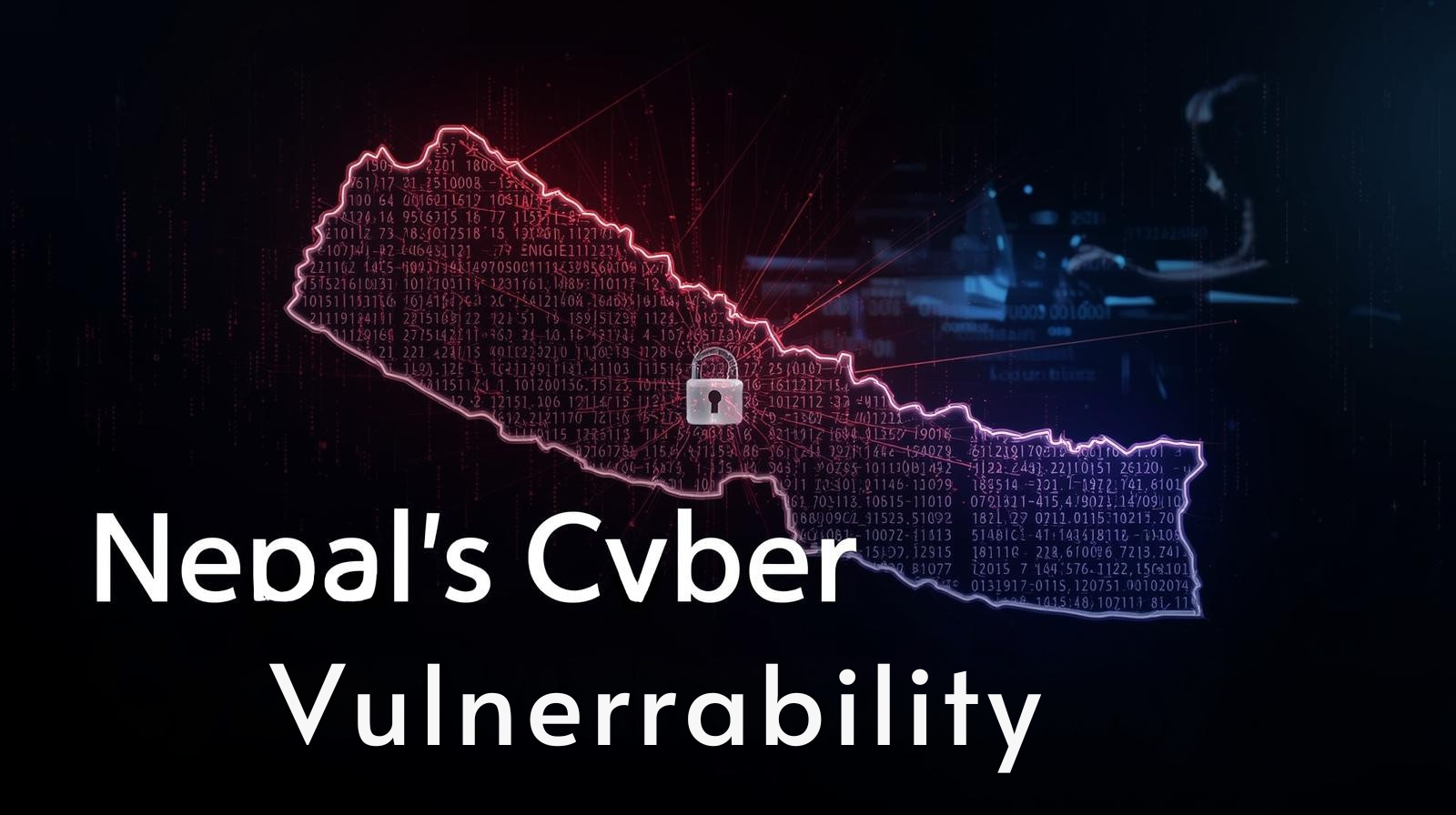

Nepal has taken noticeable steps toward digital transformation in recent years. Online banking, digital wallets, government e-services, cloud-based systems, and social media are now integral to daily life. However, the country’s progress in cybersecurity has not kept pace with its growing online presence. As a result, Nepal remains highly vulnerable to cyber threats, data breaches, financial fraud, and digital espionage.
Thank you for reading this post, don't forget to subscribe!This article examines the core reasons behind Nepal’s weaknesses in cyberspace and outlines what must be done to strengthen national cybersecurity.
1. Shortage of Skilled Cybersecurity Professionals
Nepal’s cybersecurity sector is still developing. While the country has talented youth interested in ethical hacking, network security, system defense, and penetration testing, there are not enough trained and certified professionals to secure national infrastructure.
Most skilled individuals leave Nepal for better career opportunities abroad. This creates a talent gap in:
- Government institutions
- Banking and financial sectors
- IT companies
- Telecom and digital service providers
Without adequate human resources, cyber defense remains reactive rather than proactive.
2. Limited Government Investment and Prioritization
Cybersecurity is not yet treated as an essential national priority. Budget allocation for cyber defense remains low, and strategic planning moves slowly. Critical government systems often use outdated servers and software, making them easier targets for attacks.
Although the National Cyber Security Centre (NCSC) exists, it requires stronger authority, advanced tools, incident response capability, and expanded staffing to effectively protect national digital infrastructure.
3. Outdated and Vulnerable Digital Infrastructure
Many websites and applications used by schools, municipalities, government agencies, and private institutions are built with limited security considerations. Common vulnerabilities include:
- Weak database security
- Lack of SSL and secure network configurations
- Reused or default administrator passwords
- Unpatched and outdated systems
These weaknesses can lead to large-scale data leaks and unauthorized access with minimal technical effort.
4. Low Public Cyber Awareness
A significant proportion of cyber incidents in Nepal are caused not by sophisticated hacking tools, but by simple social engineering. Phishing links, fraudulent loan apps, fake investment opportunities, and impersonation scams are widespread because many users are unfamiliar with digital security practices.
Digital literacy has increased, but cyber literacy remains low, leaving individuals vulnerable to deception.
5. Outdated Cybercrime Legislation
Nepal’s primary cyber law, the IT Act 2063, was drafted before the rise of modern cyber threats. Current legal provisions are insufficient to address:
- Ransomware attacks
- Identity theft
- Online financial fraud
- Deepfake manipulation
- International cybercrime networks
Law enforcement agencies often lack the technical capacity to respond swiftly, leading to slow resolution for victims.
6. Insufficient Security Investment in Private Companies
Many Nepali businesses still assume that cybersecurity is only necessary for large corporations. They avoid investing in:
- Vulnerability assessments
- Security audits
- Incident response planning
- Employee awareness training
This mindset leaves businesses exposed, and in many cases, organizations respond only after a breach or financial loss occurs.
Steps Nepal Must Take to Strengthen Cybersecurity

| Area | Recommended Action |
|---|---|
| Education Sector | Introduce formal cybersecurity courses and labs in schools, colleges, and universities. |
| Government Policy | Modernize cyber laws and increase national cybersecurity funding and manpower. |
| Private Sector | Conduct regular security audits and implement strong internal security controls. |
| Public Awareness | Promote nationwide digital safety education campaigns. |
| Youth and Professionals | Participate in cybersecurity training, Capture-the-Flag (CTF) events, and ethical hacking communities. |
Nepal does not lack talent. It lacks structured development and coordinated security strategies.
Nepal’s vulnerability in cyberspace is not inevitable. It is the result of insufficient investment, outdated policies, limited training, and low awareness. However, the future can change quickly if government institutions, private organizations, educational sectors, and the cybersecurity community work in alignment.
Strengthening Nepal’s cyber defense is not only a technical responsibility. It is essential for protecting national sovereignty, economic stability, and the digital rights of every citizen.
The next chapter of Nepal’s cybersecurity development depends on commitment, collaboration, and continuous learning.